--more variations --
Origin: Japan
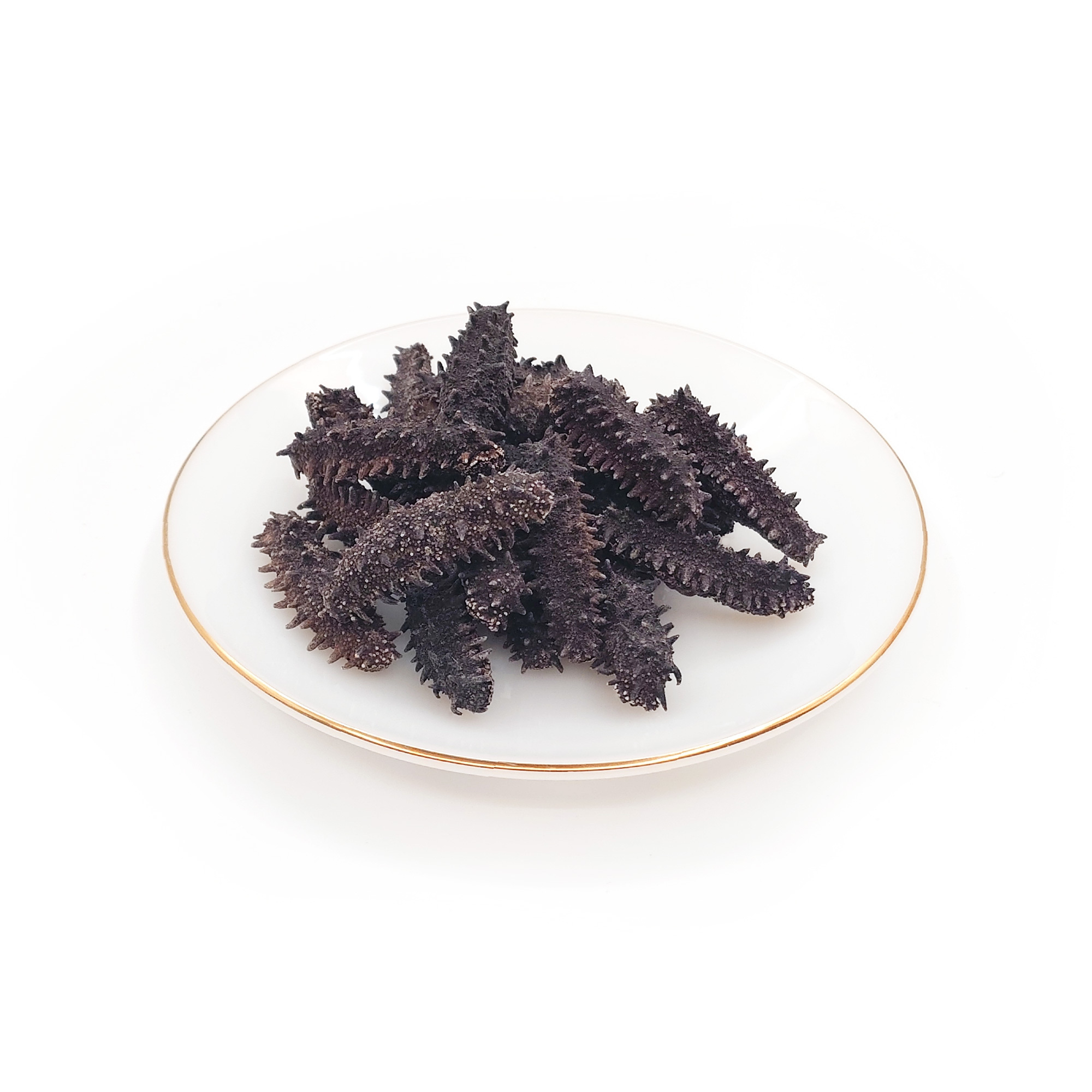
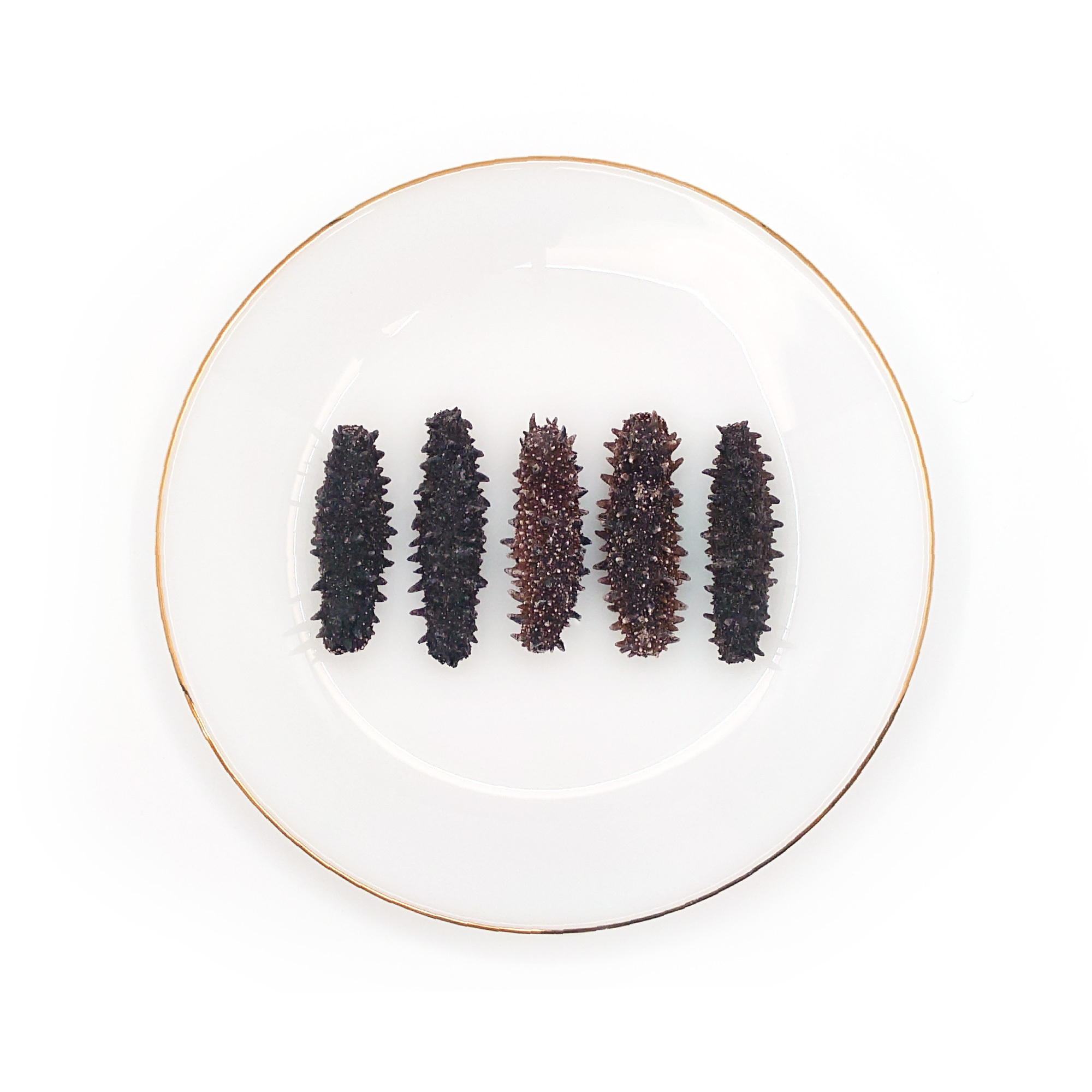
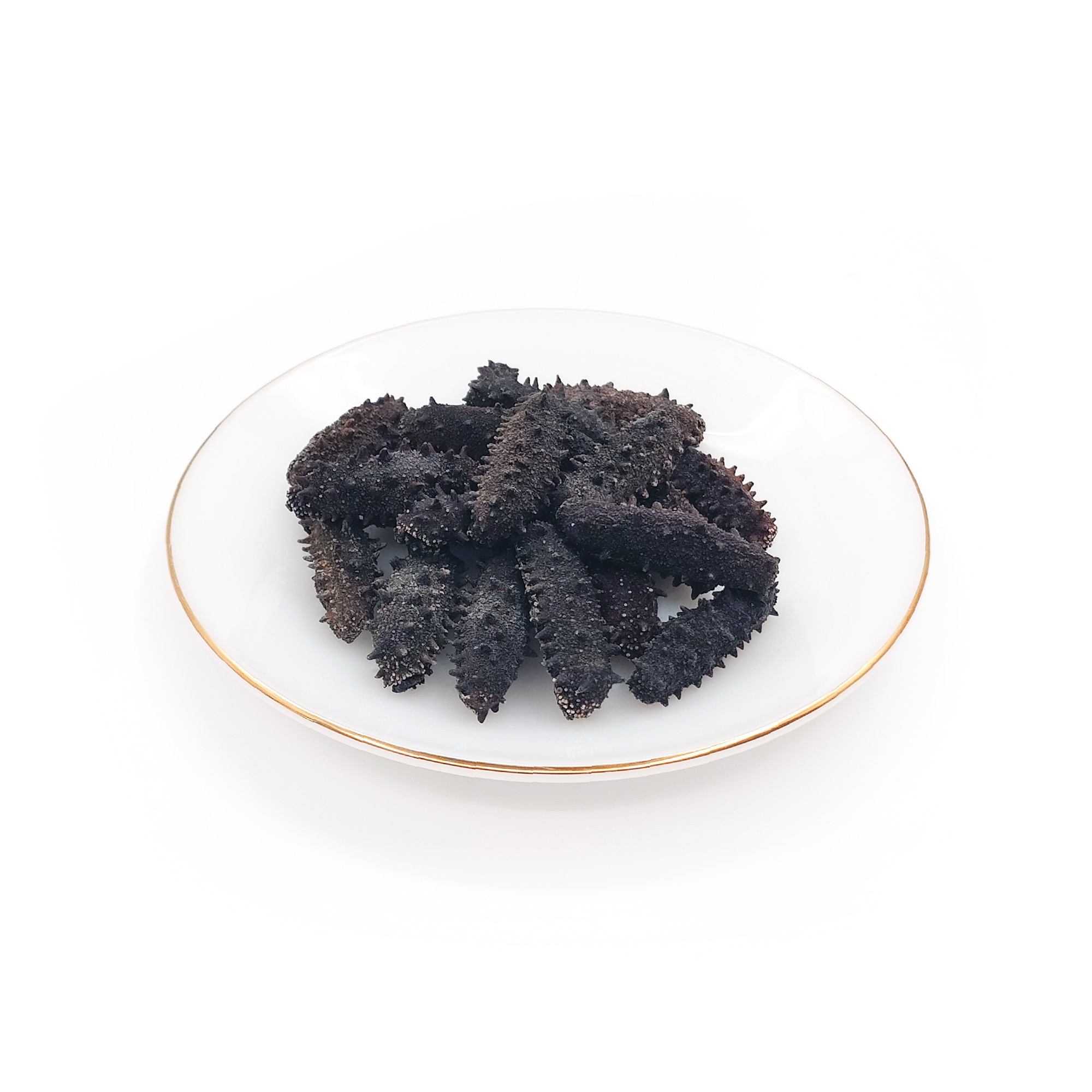
Features: Prickly Sea Cucumber, smooth and tender in texture, aromatic. Kanto Sea Cucumber has less spikes than Hokkaido Sea cucumber, yet it has 4 columns of spikes. Succulent and thick with significant spikes. Habitat in the deep cold water region in the ocean, therefore, it has a chewy, smooth and thick and superior texture.
Nutritive Value: Sweet in flavour, Mild in nature. Rich in nutrient value, high in protein level and easy to absorb. Tonifying vital fluid essence in the body and nourishing kidney. Tender texture and easy to digest, sea cucumber's nutrition can be directly absorbed. Suitable for both the young and the elderly.
Suggested Recipe: By Stir-frying oyster sauce, onion sauce and sea cucumbers, it could be served as Braised Sea Cucumber. Sea cucumber is also one of the essential ingredients for the traditional dishes-- "Steamed Assorted Meats in Chinese Casserole". It could be added in chicken soup, served as a vital postpartum dish-- Sea Cucumber Chicken Stew.
Cooking Method: First, clean all the utensils that will be used for soaking preparation. Make sure there is no trace of grease. Boil a pot of water and place the sea cucumber into it when the water reaches boiling point. Turn off the stove leave them in the covered pot until the water cools down. Remove the sea cucumber and soak them in water for a day. Place them inside the refrigerator and change the water twice a day. Check if the sea cucumbers have been softened, if not, repeat the above procedures. Afterwards, drain the sea cucumber and cut them open to remove internal organs and impurities. Boil water, add in the ginger extract and the sea cucumbers. Boil them for roughly 1 minute and it's ready to use.
Suitable for the general public to consume.
Storage Method: Store the dehydrated sea cucumber in cool and dry areas. For longer preservation, Seal and chilled at 0-8 degrees.